Tech & Gadgets

The Future of Biotech: AI-Driven Drug Discovery

AI-driven drug discovery is the future of biotech. The goal is to find new drugs and cures for diseases by using artificial intelligence to analyze massive data sets. Drug discovery is a process in which pharmaceutical companies identify and develop new drugs. The future of drug discovery is here, with AI-driven methods that can be […]

The Future of Biotech: AI-Driven Drug Discovery

AI-driven drug discovery is the future of biotech. The goal is to find new drugs and cures for diseases by using artificial intelligence to analyze massive data sets.

Drug discovery is a process in which pharmaceutical companies identify and develop new drugs. The future of drug discovery is here, with AI-driven methods that can be used to design novel therapeutics for the treatment of diseases like cancer. This blog will show you how artificial intelligence (AI) can be applied to discover new molecules that may lead to cures for some of the world’s most devastating diseases.


Pharma companies need to plan for a future in which AI is routinely used in drug discovery. New players are scaling up fast and creating significant value, but the applications are diverse and pharma companies need to determine where and how AI can most add value for them. In practice, this means spending the time needed to understand the full impact that AI is having on R&D, which includes separating hype from actual achievement and recognizing the difference between individual software solutions and end-to-end AI-enabled drug discovery.


Source: PMWCintl

AI can deliver value in small-molecule drug discovery in four ways: access to new biology, improved or novel chemistry, better success rates, and quicker and cheaper discovery processes. The technology can address many challenges and constraints in traditional R&D. Each application brings additional insights to drug discovery teams, and in some cases can fundamentally redefine long-standing workflows. Because these technologies are applicable to a variety of discovery contexts and biological targets, understanding and differentiating among use cases is critical.


source: EPO

Most novel active compounds identified with the help of AI are still in discovery or preclinical stages of development. Analysis of GlobalData’s Drug Database identified more than 250 unique active drugs with the terms ‘artificial intelligence’ or ‘machine learning’ in their Drug Description. But despite increasing numbers of drugs discovered with the help of these innovative technologies, AI-discovered compounds do not guarantee success in clinical trials.


source: BioSpace

The impact of AI on traditional drug discovery is in its early stages, but we have already seen that when layered into a traditional process, AI-enabled capabilities can substantially speed up or otherwise improve individual steps and reduce the costs of running expensive experiments. Indeed, AI algorithms have the potential to transform most discovery tasks (such as molecule design and testing) so that physical experiments need to be conducted only when required to validate results.


Source: ZoicBiotech

AI biotech has built a suite of offerings that include multiomics target identification and a chemistry platform, as well as clinical-trial prediction tools. In combination with compound synthesis services from CROs and expertise from academia and larger pharma codevelopment partners, these tools have allowed the firm to cut the time needed to identify three preclinical candidates to between 12 and 18 months, compared with the three to five years typically required by traditional players.


The AI revolution in drug discovery will not happen overnight. Even as AI-driven innovations show impressive results, established pharmaceutical companies retain many advantages. These include capital, scientific expertise, development know-how and experience, regulatory expertise, and established branding and commercial teams. That said, some of the pillars of incumbency are showing early erosion. Massive fundraising and less cost-intensive in vitro work are lowering the capital barriers for startup discovery programs.

 Meanwhile, AI natives are filling out their ranks with scientists and medical experts, replicating the advantages of big companies employee by employee.


Click here if you want to check out amazing products!

Written by

Cloe

Tech & Gadgets, MaviGadget

Cloe writes for the MaviGadget Journal, testing the gadgets that promise to change your day and reporting honestly on the ones that actually do.

Shop the edit

More from Gadgets.

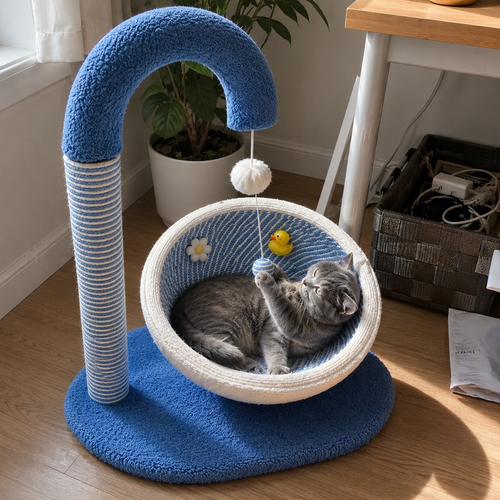
8,745.00TL Curve Ball Sisal Scratching Climbing Cat Playground Bed
Cat Scratchers & Scratching Posts
8,745.00TL
Cat Scratchers & Scratching Posts
6,801.00TL Corner Claw Space-Saving Sisal Cat Scratching Post
Pet Supplies
6,801.00TL
Pet Supplies
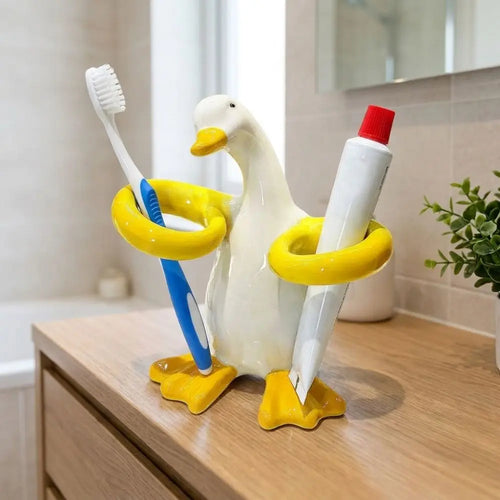
1,310.00TL Got Your Brush Duck Toothbrush Holder
Toothbrush Holders
1,310.00TL
Toothbrush Holders
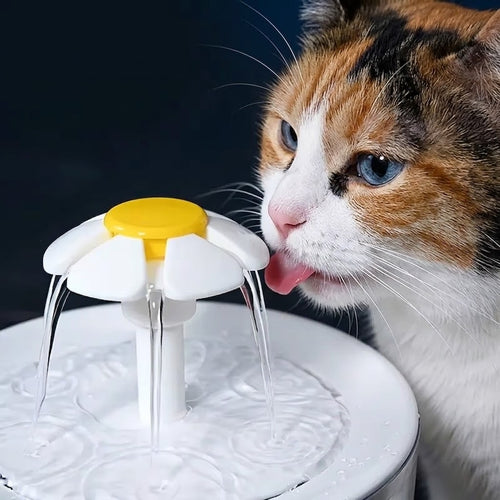
★ 4.831,456.00TL Picky Drinker Cat Water Dispenser
Pet Supplies
1,456.00TL
4.83 (12)
Pet Supplies