Tech & Gadgets

Gold Tattoos for Cells? Why Scientists Are Tattooing Cells with Gold.

Scientists have made a significant breakthrough in the field of integrating electronic devices with human cells. Using a technique called nanoimprint lithography, they have successfully printed patterns of gold nanodots and nanowires onto living mouse embryo fibroblast cells. This development marks an important first step towards adding complex circuitry to living tissues. A mouse fibroblast […]

Gold Tattoos for Cells? Why Scientists Are Tattooing Cells with Gold.

Scientists have made a significant breakthrough in the field of integrating electronic devices with human cells. Using a technique called nanoimprint lithography, they have successfully printed patterns of gold nanodots and nanowires onto living mouse embryo fibroblast cells. This development marks an important first step towards adding complex circuitry to living tissues.

A mouse fibroblast “tattooed” with gold nanodots, highlighted with false color. (Kwok et al., Nano Lett. 2023)

The fabrication technique, developed by engineer David Gracias from Johns Hopkins University, has incredible potential for health applications. Imagine having sensors that can remotely monitor and control the state of individual cells and the environment surrounding them in real time. This technology could potentially lead to the early diagnosis and treatment of diseases by tracking the health of isolated cells, rather than waiting for damage to entire organs.

However, integrating electronics with human biology has posed significant challenges. One major hurdle is the incompatibility between living tissue and the manufacturing techniques traditionally used to construct electronics. Many of these techniques involve harsh chemicals, high temperatures, and vacuums that can destroy living tissue. Gracias and his team have overcome this obstacle by using a technique called nanoimprint lithography, which involves imprinting nanoscale patterns onto a material, in this case, gold.

The process begins by printing nanoscale gold onto a silicon wafer coated with a polymer. The polymer is then dissolved, allowing the pattern to be transferred onto thin films of glass that are treated with a biological compound called cysteamine and coated with a hydrogel. The pattern is then removed from the glass and transferred onto fibroblast cells. Finally, the hydrogel is dissolved, leaving the gold bonded to the cells.

The researchers have successfully used this technique to attach gold nanowire arrays to ex vivo rat brains. The ability to attach complex nanopatterns to living cells without causing cell death is a significant achievement. This opens up possibilities for developing complicated electronics, such as electrodes, antennas, and circuits, that can be integrated into living tissues, hydrogels, and other soft materials that are incompatible with harsher fabrication methods.

The researchers believe that combining nanopatterning with various classes of materials and standard microfabrication techniques can lead to the development of new cell culture substrates, biohybrid materials, bionic devices, and biosensors. The possibilities for this research are vast, and it represents an exciting step forward in the field of integrating electronic devices with living cells.


Written by

Kevin

Tech & Gadgets, MaviGadget

Kevin writes for the MaviGadget Journal, testing the gadgets that promise to change your day and reporting honestly on the ones that actually do.

Shop the edit

More from Gadgets.

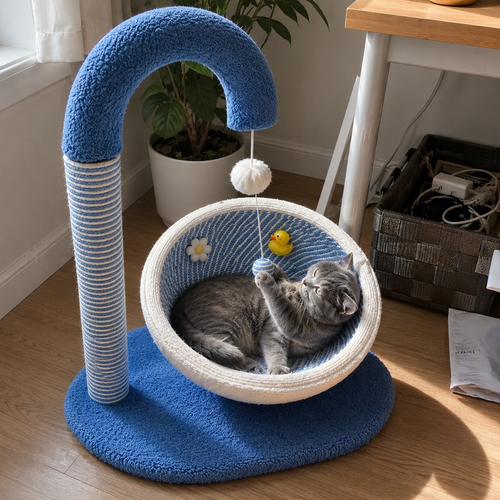
8,745.00TL Curve Ball Sisal Scratching Climbing Cat Playground Bed
Cat Scratchers & Scratching Posts
8,745.00TL
Cat Scratchers & Scratching Posts
6,801.00TL Corner Claw Space-Saving Sisal Cat Scratching Post
Pet Supplies
6,801.00TL
Pet Supplies
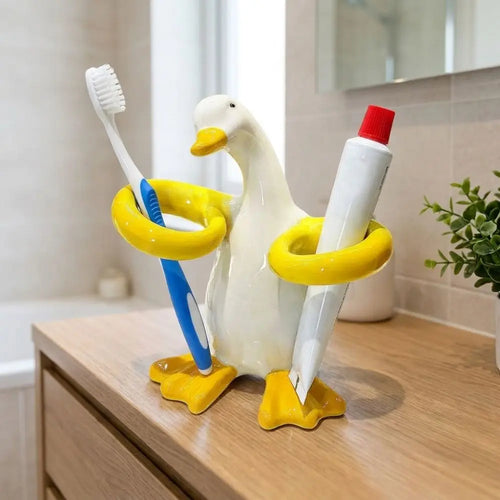
1,310.00TL Got Your Brush Duck Toothbrush Holder
Toothbrush Holders
1,310.00TL
Toothbrush Holders
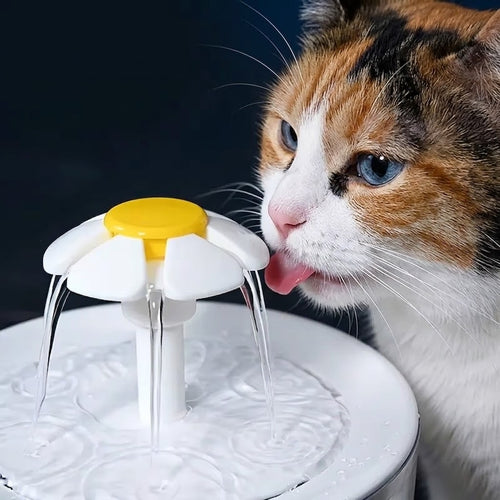
★ 4.831,456.00TL Picky Drinker Cat Water Dispenser
Pet Supplies
1,456.00TL
4.83 (12)
Pet Supplies